EN
EN



What Does Home Energy Storage Battery Capacity Mean in kWh?
Kilowatt-hours vs. watts: Understanding energy vs. power for home energy storage battery systems
The capacity of a battery measured in kWh basically tells us how much energy it can store, kind of like knowing how full a water tank is. So if we have a battery rated at 10 kWh, it should be able to run something that draws 1 kW of power for about ten hours straight. Now when we talk about power measured in kW, we're looking at something different altogether. This number shows how fast energy gets delivered from the battery to whatever needs it. Take a look at this real world scenario: most homes need around 5 kW to keep running smoothly. That means they could power up things like the fridge which takes about 1 kW, maybe throw in the microwave that uses roughly 1.2 kW, plus all those little lights adding another 0.8 kW or so. The thing is, having enough power matters because important stuff like medical devices or refrigeration units need to kick on right away when there's an outage. But without adequate storage capacity too, even the best system won't last through long blackouts.
Total capacity vs. usable capacity: Why not all rated kWh are available
Manufacturers list total (nameplate) capacity—but real-world usable energy is consistently lower due to three interrelated constraints:
- Depth of discharge (DoD): To preserve longevity, most lithium-ion systems limit discharge to 80–90%, reserving 10–20% of total capacity. A 13 kWh battery with 90% DoD delivers just 11.7 kWh usable energy.
- Derating factors: Temperature extremes, aging, and high discharge rates reduce accessible capacity by 15–30%. Lithium-ion batteries typically retain ~80% of original capacity after 10 years; lead-acid degrades significantly faster.
- System losses: Inverter inefficiencies (5–10%) further diminish delivered energy. Always prioritize usable kWh—not nameplate—when sizing your system.
Key Factors That Reduce Usable Capacity in a Home Energy Storage Battery
Depth of discharge (DoD) limits and their effect on accessible kWh
Depth of Discharge acts as a kind of built in protection mechanism. Manufacturers actually limit how much they let batteries drain out because this helps slow down wear and tear while making the battery last longer overall. Take lithium ion batteries for instance, these typically handle between 80 to 100 percent discharge depth, especially those made with LiFePO4 chemistry. But watch out with lead acid batteries. These start to break down pretty fast once they go past about 50% discharge, which means they just aren't good choices for things that require frequent deep cycling such as regular solar power usage throughout the day. Let's put numbers to it. A lithium battery rated at 10 kilowatt hours with around 90% DoD will give back roughly 9 kWh worth of dependable power over time. Compare that to lead acid with the same 10kWh rating, and most likely we're looking at only getting 4 to maybe 5 kWh before there's serious risk of early breakdown.
Temperature, chemistry, aging, and discharge rate: Real-world derating factors
Four interdependent variables further compress usable capacity under real-world conditions:
- Temperature: Below freezing, lithium-ion capacity drops 20–30%; above 77°F (25°C), long-term degradation accelerates—reducing annual capacity retention by up to 5%.
- Chemistry: LiFePO4 batteries retain >80% capacity after 6,000 cycles at 80% DoD, while conventional NMC or lead-acid offer just 1,000–1,200 and 500–800 cycles respectively.
- Aging: All chemistries lose 1–3% capacity per year, with degradation accelerating after 8–10 years—especially if cycled frequently or operated outside optimal thermal ranges.
- Discharge rate: High-power demands (e.g., HVAC compressor startup) temporarily reduce effective capacity by 15–30% due to voltage sag and internal resistance.
| Factor | Lithium-Ion Impact | Lead-Acid Impact |
|---|---|---|
| Optimal Temperature | 59–77°F (15–25°C) | 77–86°F (25–30°C) |
| Capacity Loss at 32°F | 20–30% | 40–50% |
| Cycle Life at 80% DoD | 6,000+ cycles | 500–800 cycles |
Together, these factors mean a nominally 10 kWh system may deliver only 5–7 kWh during winter emergencies or peak-load events—underscoring why conservative, use-case-specific sizing matters more than headline specs.
How to Size a Home Energy Storage Battery for Your Needs
Matching kWh capacity to common use cases: Backup-only (3–6 kWh), self-consumption (6–10 kWh), and off-grid readiness
Selecting the right capacity depends on your primary objective—not just square footage or panel count.
- Backup-only (3–6 kWh) targets short-duration outages: enough to sustain refrigeration, lighting, Wi-Fi, and medical devices for 8–12 hours in an average home. Ideal for grid-tied homes in areas with infrequent, brief blackouts.
- Self-consumption (6–10 kWh) pairs with rooftop solar to store excess daytime generation for evening use—offsetting 30–50% of typical household electricity demand and reducing reliance on time-of-use rates.
- Off-grid readiness (>10 kWh) supports multi-day autonomy but requires careful integration with solar generation, load management, and often a backup generator to handle seasonal low-sun periods or extended outages.
Step-by-step capacity calculation: Appliance load — duration + efficiency and reserve margin
Accurate sizing follows a four-step process grounded in real-world performance—not theoretical maximums:
- Sum critical loads: Multiply wattage — daily usage hours for essential appliances (e.g., refrigerator: 150 W — 24 h = 3.6 kWh).
- Apply reserve margin: Add 20–25% to account for aging, unexpected loads, or degraded performance over time (e.g., 8 kWh — 1.25 = 10 kWh).
- Adjust for round-trip efficiency: Divide by battery-inverter system efficiency (~90% for modern lithium-ion systems): 10 kWh · 0.9 — 11.1 kWh.
- Verify against DoD and derating: Ensure final capacity meets your required runtime after applying DoD (e.g., 11.1 kWh · 0.9 = 12.3 kWh nameplate minimum).
This method prevents costly undersizing during outages—and avoids overprovisioning that inflates upfront cost without meaningful benefit.
Expanding Capacity: Stacking Home Energy Storage Batteries Safely and Efficiently
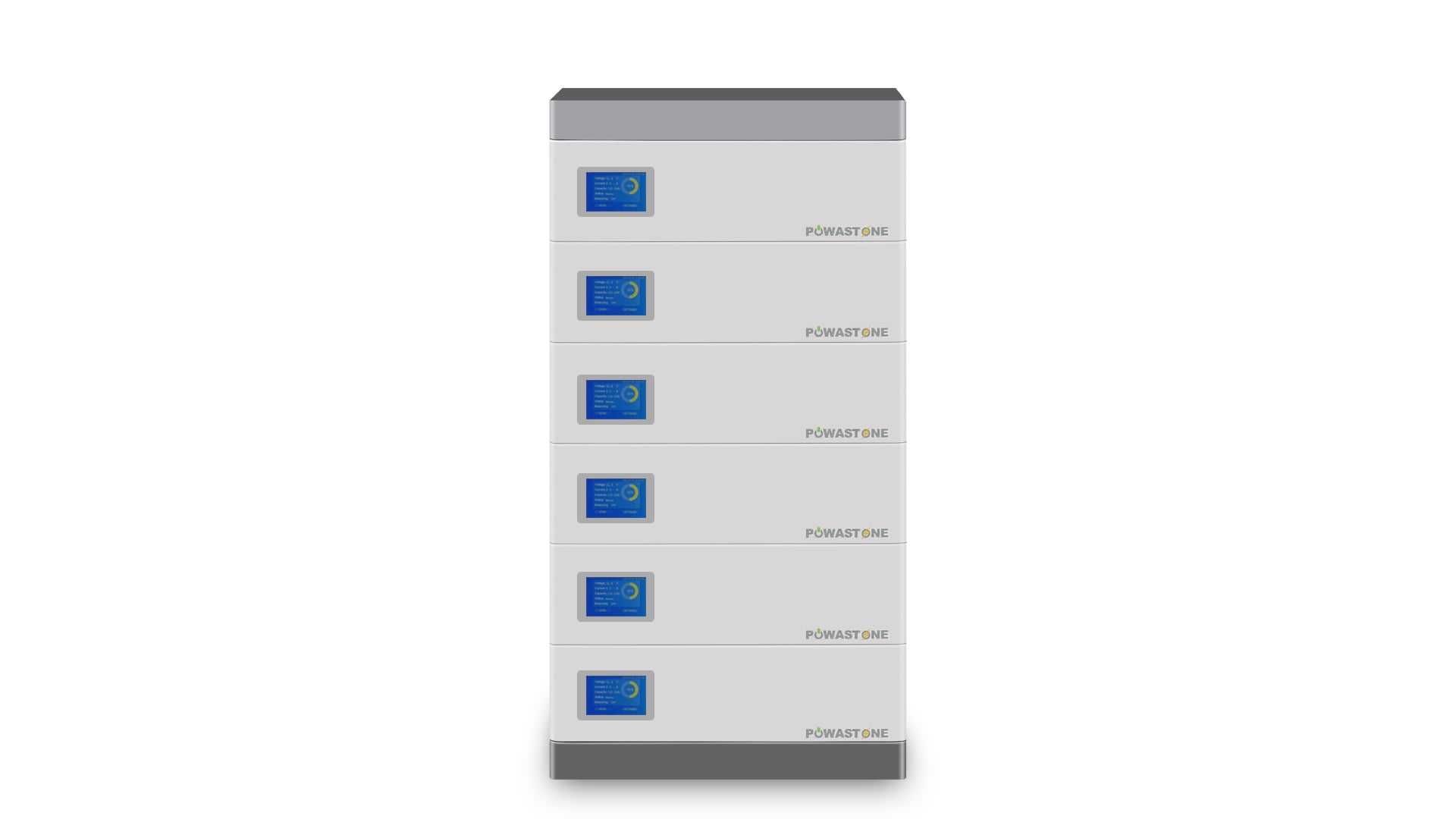
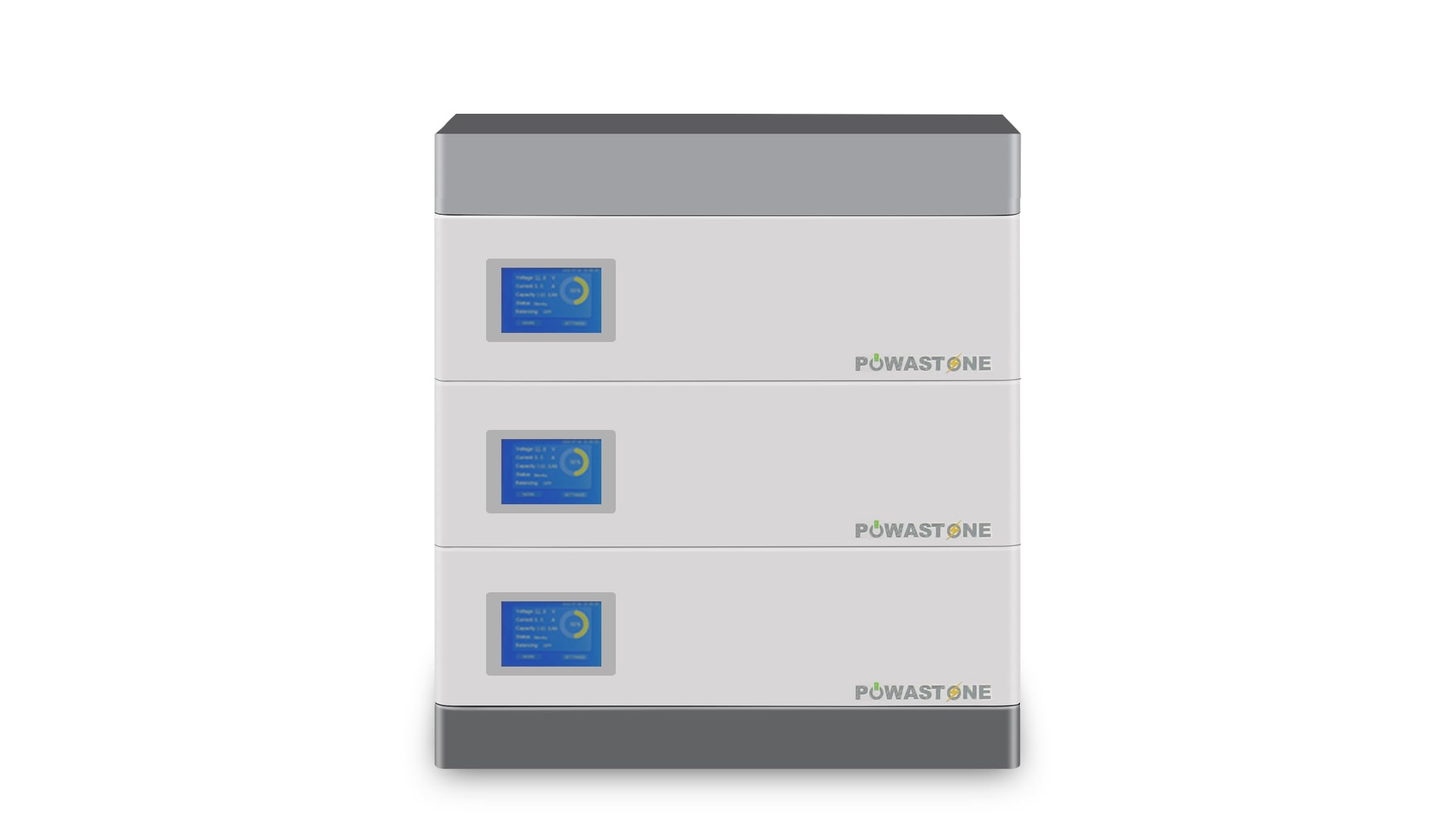
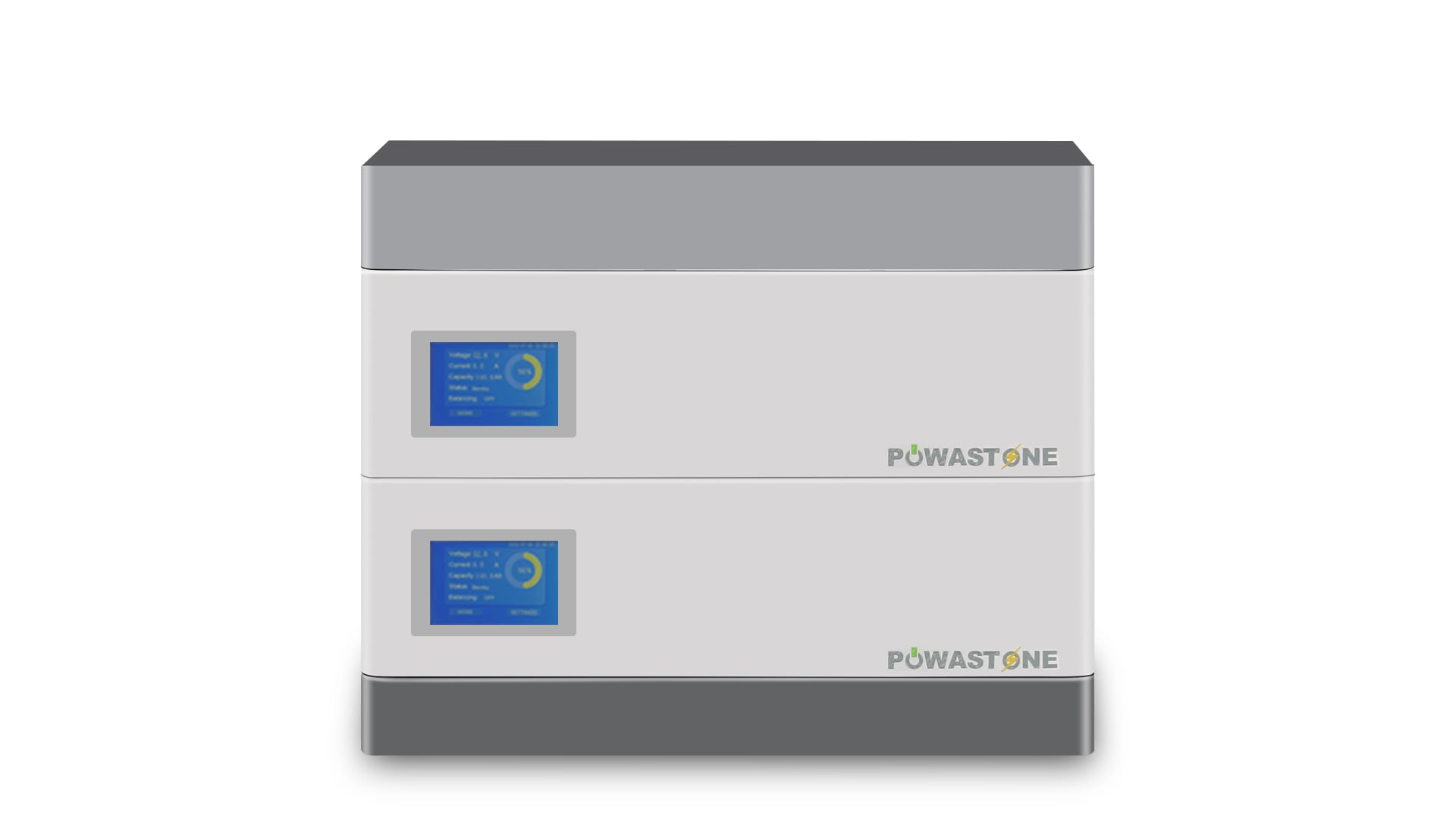
Homeowners can expand their energy storage capacity over time thanks to modular battery systems that stack either vertically or horizontally. Most start with just a basic unit then add more power when their needs change, maybe for electric vehicle charging or longer backup times during outages. The good news is that proper installation keeps everything under one central control system while making efficient use of available space. Safety standards remain intact too, so performance doesn't drop off even as the system grows in size. Many manufacturers design these stacks specifically to work together seamlessly from day one.
However, safe, code-compliant expansion demands strict adherence to manufacturer specifications:
- Stack limits: Most residential systems cap parallel connections at 4–8 units to prevent voltage imbalance and uneven cell wear.
- Thermal management: Maintain ¥1-inch clearance between units and operate within ambient temperatures of 0–40°C (32–104°F) to avoid thermal throttling or accelerated aging.
- Uniform configuration: Only stack identical models, firmware versions, and state-of-charge levels—mixing generations or chemistries risks BMS miscommunication and safety hazards.
- Certification compliance: Confirm stacked configurations retain UL 9540 certification—critical for insurance eligibility and utility interconnection approval.
- Balanced wiring: Use equal-length cables and manufacturer-approved combiners to ensure uniform current distribution across modules.
Properly executed, stacking can increase usable capacity by 300–500% while sustaining >90% round-trip efficiency—making it the most practical path to whole-home resilience during multi-day outages or seasonal energy shortfalls.
FAQs on Home Energy Storage Battery Capacity
What is Depth of Discharge (DoD) in batteries?
Depth of Discharge (DoD) refers to the percentage of a battery's total capacity that has been used. Limiting DoD helps preserve the battery's longevity, as deeper discharges can lead to faster degradation.
How does temperature affect battery performance?
Extreme temperatures can significantly impact battery performance. Cold temperatures can reduce capacity by 20-30% for lithium-ion batteries, while high temperatures can accelerate degradation.
What is the best way to size a home energy storage battery?
The best way to size a battery is to calculate the sum of critical loads, apply a reserve margin, adjust for round-trip efficiency, and verify against DoD and derating factors to ensure that capacity meets ideal requirements.
Can home energy storage systems be expanded?Yes, many systems are modular, allowing homeowners to add units over time.