EN
EN



What benefits does long cycle battery bring to users?
What Is a Long Cycle Battery? Core Technical Advantages
Defining long cycle life: cycles, degradation, and industry benchmarks
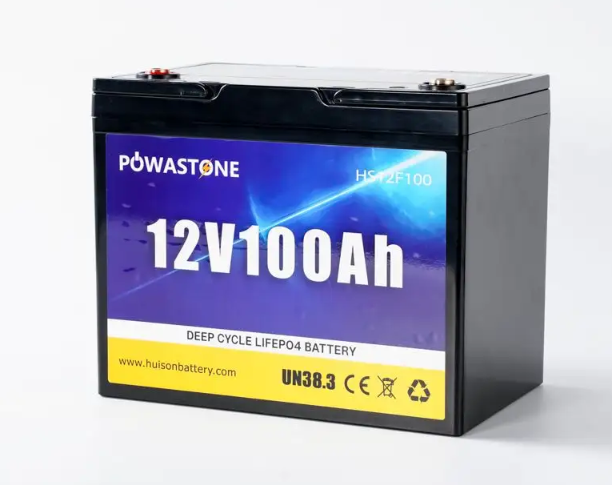
When we talk about a battery cycle, we're basically looking at the process where a battery goes from being completely charged down to empty and then back again. The cycle life tells us roughly how many times this can happen before the battery starts losing power significantly, usually when it reaches around 80% of what it originally held. This drop off happens because of all the chemical reactions going on inside during each charge and discharge, especially when people drain their batteries too much or charge them too fast. Looking at industry standards shows big gaps between different types. Traditional lead acid batteries generally manage between 300 to 500 complete cycles, whereas lithium iron phosphate batteries (LiFePO4) can handle anywhere from 3,000 up to 6,000 full cycles if they're discharged to about 80%. Some high quality versions of these LiFePO4 batteries even make it past 10,000 partial cycles, which is changing expectations about how long energy storage solutions should last.
Superior voltage stability and capacity retention over thousands of cycles
Batteries designed for long cycles keep their voltage steady and hold onto most of their capacity even after going through thousands of charge cycles. This makes them really important for things that need reliable power all the time. What sets these apart is their special olivine crystal structure that doesn't fall apart when lithium ions move around inside, so they work well even when discharged completely down to 80-100%. Regular old lead acid batteries can't handle this kind of stress and usually need to stop at around half discharge to last any decent amount of time. Quality LiFePO4 cells actually manage to keep more than 90% of their original capacity after about 2,000 full cycles too, which means very little drop in voltage over time. For folks working with solar panels or building electric cars, this kind of reliability just makes sense for storing energy consistently day after day.
Long Cycle Battery Cost Savings: Lower TCO Over Time
Batteries with long cycle life can cut down on overall costs because they last longer and need less upkeep. According to research from Altronix in 2023, these advanced batteries maintain at least 80% of their original capacity even after going through over 5,000 charge cycles. That's way better than traditional batteries which typically start losing power significantly around the 500 cycle mark. The extended lifespan means fewer replacements are needed over time, saving money on purchases. Plus, these batteries handle charging and discharging much more efficiently about 98% efficient compared to under 70% for old fashioned lead acid models. And since they don't require regular maintenance, there's less downtime and wasted energy too. All these factors combine to create substantial savings for businesses looking to optimize their energy storage solutions.
| Cost Factor | Long Cycle Batteries | Standard Batteries |
|---|---|---|
| Cycle Life | 5,000+ cycles | ~500 cycles |
| Per-Cycle Cost | $0.31 | $0.92 |
| Maintenance | None | Regular servicing |
Facilities such as warehouses and solar farms benefit from reduced downtime and freed-up space previously allocated to battery storage and charging. By cutting battery replacements by up to 80% over ten years (GreenCubes 2023), these systems deliver compounded savings and improved operational continuity.
Sustainability Gains: How Long Cycle Batteries Reduce E-Waste and Resource Demand
Batteries that last longer really help cut down on electronic waste because they don't need replacing as often. When people throw away fewer old batteries, there's less toxic stuff ending up in landfills and not so much strain on our already overworked recycling systems. These extended life batteries also save precious materials such as lithium and cobalt, which come from mines that consume tons of energy and wreck ecosystems. If we double how many times a battery can be charged before it dies, we basically cut in half both the amount of raw materials needed and those pesky carbon emissions for each kilowatt hour stored. Take electric vehicle batteries for instance: adding around 1,000 extra charge cycles means avoiding roughly 19 kilograms worth of digging into Earth just to get those materials out. This kind of efficiency matters a lot across industries dealing with energy storage and transport, helping businesses stick closer to circular economy principles while making the most of our limited natural resources.
Real-World Impact: Long Cycle Battery Applications in Solar Storage and EVs
Enabling reliable, long-duration solar energy storage systems
Long cycle batteries enable solar systems to retain over 80% capacity after 6,000+ cycles, making them ideal for long-duration energy storage. They store excess daytime solar power for use at night or during prolonged cloudy periods, enhancing energy self-sufficiency. Key benefits include:
- Reduced reliance on the grid
- Stable voltage output that protects connected equipment
- A 25-year service life that aligns with solar panel longevity
LiFePO₄ batteries outperform traditional lithium-ion alternatives, maintaining 95% annual capacity retention compared to 80%. This durability ensures reliable operation in remote or off-grid locations where maintenance access is limited.
Extending EV battery service life and supporting second-life use cases
The average cost to replace an electric vehicle battery sits at around $7,400 according to Ponemon's 2023 report, which really highlights why longer lasting batteries matter so much. A good quality battery can last through most of a car's lifespan, typically keeping about 70% of its original capacity even after years on the road. What happens when these batteries reach the end of their automotive days? Many get put to work again in things like solar power systems or backup grids, giving them another 7 to 10 productive years. This practice cuts down on electronic waste significantly too. Some estimates suggest it can slash e-waste volumes by as much as 60% compared to just throwing old batteries away. Plus, vehicle owners save money in the long run since they don't have to replace batteries as frequently. The whole system becomes more environmentally friendly while still making financial sense for consumers.
FAQ Section
What is a battery cycle?
A battery cycle refers to the process of fully charging a battery, discharging it, and then recharging it again.
Why is long cycle life important?
Long cycle life is crucial because it determines how many times a battery can be charged and discharged before its capacity significantly decreases, impacting cost-efficiency and sustainability.
What makes LiFePO₄ batteries superior in terms of cycle life?
LiFePO₄ batteries are superior due to their olivine crystal structure, which maintains stability over thousands of charge cycles and retains over 90% of their original capacity after 2,000 full cycles.