EN
EN


What’s the advantage of stackable energy storage products?
Scalable Deployment: How Stackable Design Enables Modular Growth
Why modularity matters: Aligning capacity with evolving energy needs
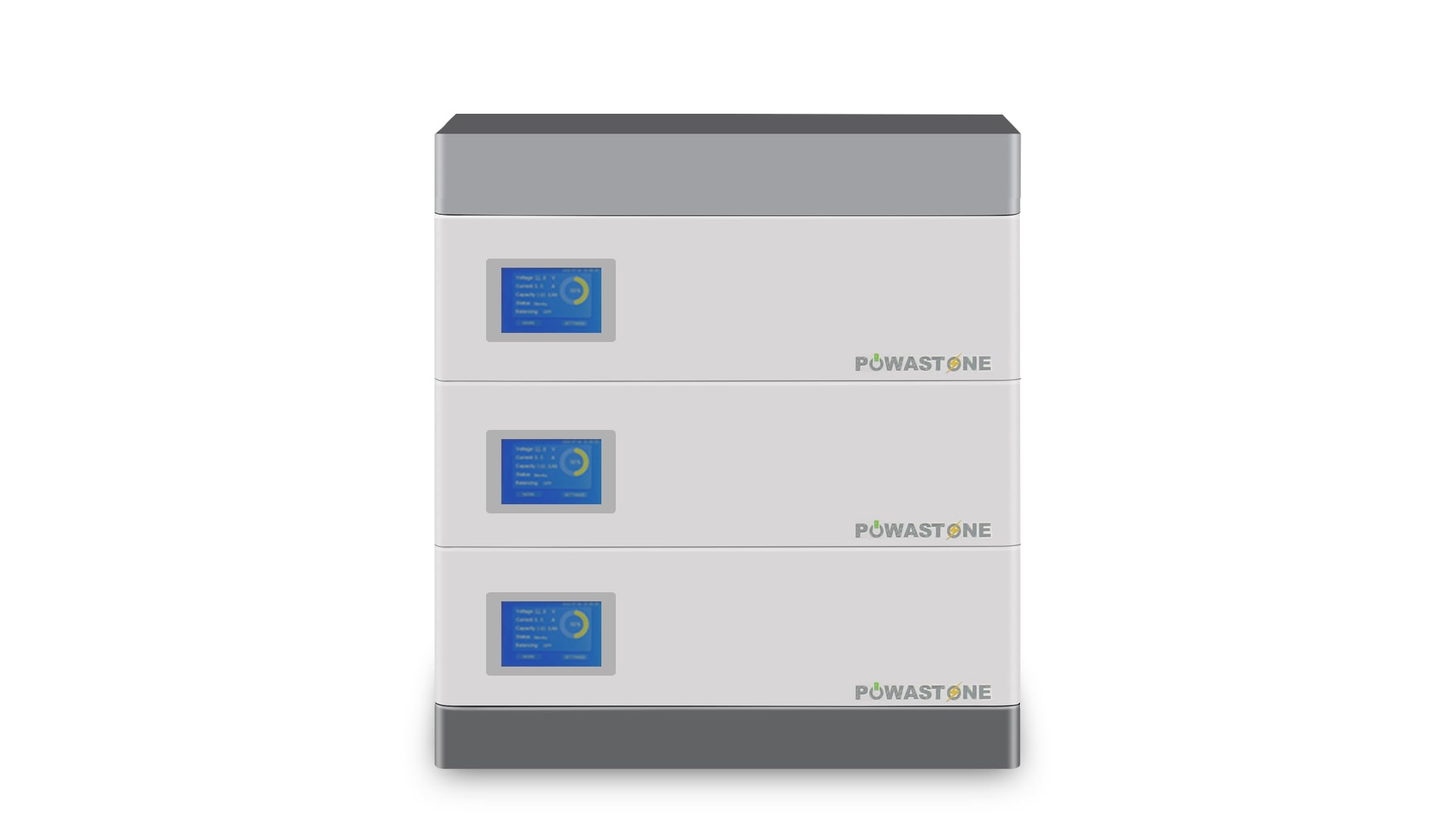
Energy needs don't really ever stay the same these days. People keep getting electric cars for their homes, companies grow bigger all the time, and what the power grid needs changes with the seasons. That's where stackable energy storage systems come in handy. These systems let folks start small with whatever they need right now, and just keep adding more units as their electricity use goes up. Most people begin with something basic that fits what they're doing today, then plug in extra modules later on when things change. This step by step method means nobody has to spend money on way too much storage at once. Some calculations show it can cut initial expenses around 40 percent compared to buying one giant system from day one. When demand jumps around unexpectedly, this flexibility makes all the difference. Plus, the whole setup works well with new tech coming down the road, including those fancy vehicle to grid connections we hear so much about.
Real-world scalability: From single-unit residential installs to multi-MW commercial stacks
Most homes start off with just one stackable unit that kicks in when there's a power outage. As people get solar panels installed or buy electric vehicles, they tend to snap up similar modules to boost their storage without tearing out what they already have. The same goes for big warehouses too. These facilities can grow their power output from kilowatts all the way up to megawatts simply by stacking more units on top. Take this warehouse in California as an example they went from having 500 kW of energy storage to over 2 million watts in just half a year by bolting on those standard blocks. What this flexibility really means for businesses is that they don't need to shell out huge sums upfront anymore. Instead, they can gradually expand their systems as they save money through regular operations. And because these units are so easy to connect, companies hardly ever experience any real downtime when adding new capacity it usually takes only a few hours instead of the weeks traditional installations might require.
Space-Smart Engineering: Stackable ESS for Constrained and Urban Environments
Vertical integration and footprint reduction in residential and commercial settings
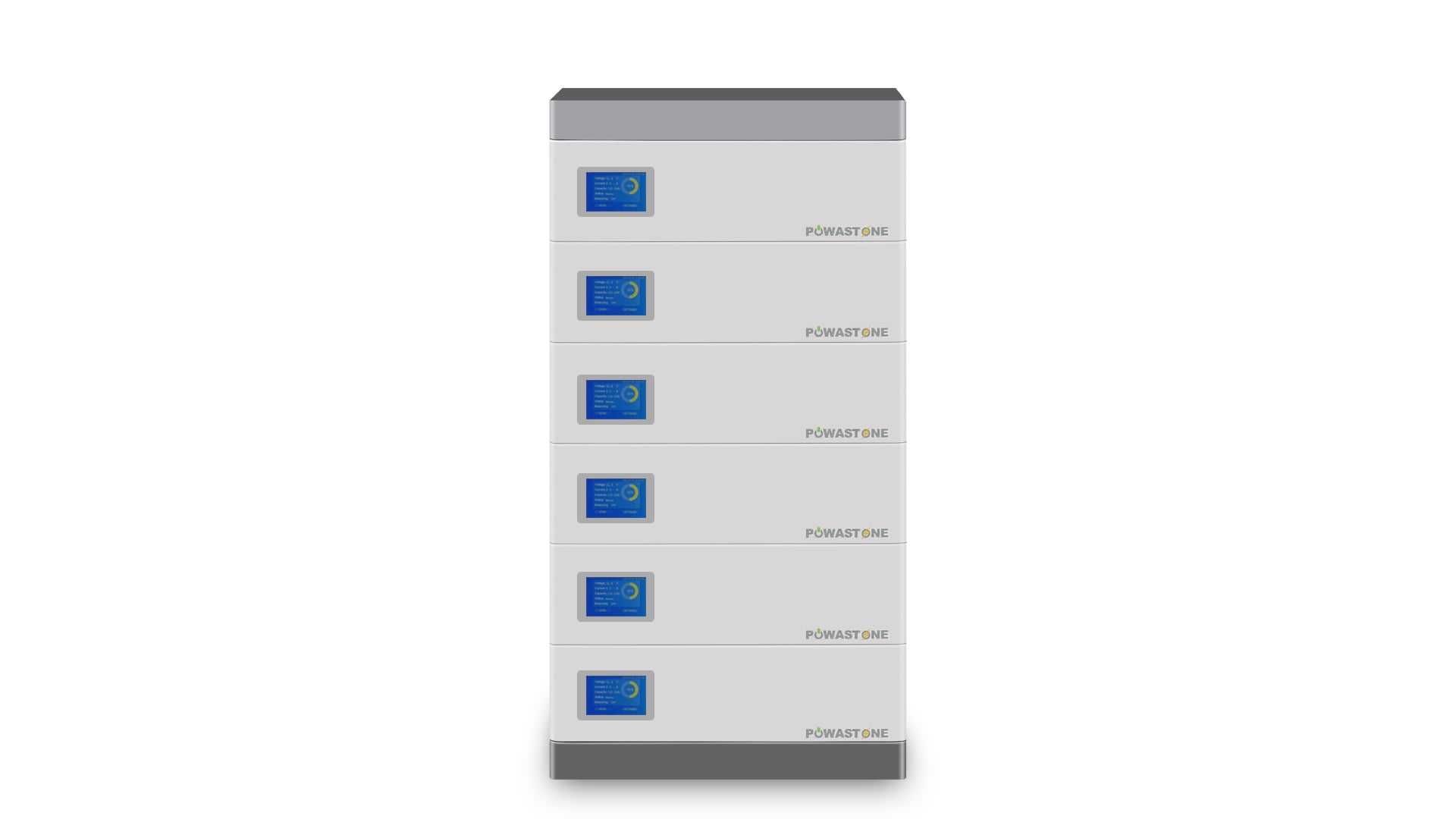
The stackable ESS design addresses serious space issues in crowded cities through vertical installation options. According to research, these stacked systems can pack about 30 percent more energy into each square foot compared to regular installations. Homeowners now have the option to put their ESS equipment right in their garage or utility closet without having to give up precious living area. When it comes to businesses such as retail shops or office buildings, stacking vertically means getting several megawatt hours of capacity inside existing mechanical rooms rather than spending big bucks on expanding facilities. What makes this solution so valuable is how it helps reach carbon reduction targets by enabling solar or wind power storage exactly where there simply isn't enough flat ground available or when buying extra land would cost too much money.
Enabling flexible energy management without infrastructure overhaul
The modularity of stackable ESS allows businesses to scale storage incrementally alongside energy demand fluctuations, avoiding disruptive electrical upgrades. A 2024 Urban Energy Density Index report confirmed enterprises using stackable configurations reduced infrastructure modification costs by 41% compared to fixed-capacity alternatives. Key benefits include:
- Phased capacity expansion: Add units during routine maintenance windows
- Zoned energy allocation: Dedicate specific stacks to high-priority equipment
-
Legacy compatibility: Integrate with existing solar arrays or backup generators
This eliminates the need for structural renovations while providing granular control over energy distribution—critical for hospitals, data centers, and manufacturing facilities operating in space-constrained locations.
Operational Resilience: Reliability, Redundancy, and Simplified Maintenance in Stackable Systems
Fault isolation and system-level redundancy through independent stackable units
The Stackable ESS system handles faults thanks to its modular design where each unit works on its own but still adds to the overall storage capacity. When something goes wrong with a single module, special isolation procedures kick in to stop problems from spreading throughout the entire stack. This keeps things running smoothly because it shifts workloads over to the working modules instead. At the system level, there's built-in redundancy so important applications don't lose power even when parts fail. Since everything runs independently, operators can monitor performance details for each module separately. This approach gets rid of those single points of failure that are common issues in traditional storage setups that aren't broken down into smaller components.
Plug-and-play installation and hot-swap maintenance advantages
The modular stackable design comes with standard connectors that make setup much quicker. When adding new modules to existing racks, installers don't need to do complicated rewiring or reconfiguration work. This cuts down on the time it takes to get everything running by around 70% when compared to traditional integrated systems. Another big plus is the hot-swap feature. Technicians can swap out faulty units while the system is still operating, so there's no need to shut things down for maintenance. What this means in practice is that field repairs now focus on individual components instead of requiring complete system replacements. The result? Lower labor expenses overall and far fewer instances where downtime actually impacts revenue streams.
Total Cost Optimization: Capital Efficiency and Long-Term TCO Benefits of Stackable ESS
The stackable ESS system really changes how companies think about money matters because it gets rid of the need to buy extra equipment just in case. Instead of buying everything at once, businesses can start with what they actually need right now and add more later as their needs grow. This kind of flexible setup means companies spend about half as much upfront compared to those old school systems that come all in one big package. The savings keep adding up too. With fewer places where things need to be installed, labor costs drop around 30%. Plus, when everything works together better, the whole system doesn't need as much cooling, which saves even more money on electricity bills. Maintenance becomes a lot easier too. If something breaks down, technicians can replace just that part without shutting down the entire operation. According to some research from the Ponemon Institute back in 2023, this alone prevents companies from losing roughly $740,000 every year in lost productivity. Looking at the total cost picture, these stackable solutions tend to beat out other options pretty much everywhere important.
| Cost Factor | Traditional ESS | Stackable ESS | Savings Driver |
|---|---|---|---|
| Initial Investment | High (oversized capacity) | Phased, needs-based | Right-sized deployment |
| Installation Labor | Complex, multi-location | Single-point vertical | Reduced man-hours |
| System Maintenance | Full shutdowns required | Hot-swappable modules | Zero downtime replacements |
| Energy Efficiency | Inconsistent thermal zones | Optimized shared cooling | Lower HVAC consumption |
Long-term savings extend beyond hardware. Scalable architectures future-proof investments against evolving regulations and energy tariffs—enabling revenue streams like frequency response without retrofitting. By aligning costs with actual consumption patterns, stackable systems deliver 30% higher ROI over 10-year lifecycles.
FAQ
What are the benefits of stackable energy storage systems?
Stackable energy storage systems offer flexible, cost-effective solutions for increasing energy capacity over time without requiring significant upfront investments. They are modular, which allows for easy scalability, space efficiency in urban settings, and enhanced operational resilience.
How do stackable systems benefit businesses?
Businesses can benefit from stackable systems through phased capacity expansion, reduced infrastructure modification costs, operational reliability with system-level redundancy, and simplified maintenance procedures. This leads to significant cost savings in both short and long term.
What makes stackable systems suitable for urban environments?
Stackable systems are highly suitable for urban environments due to their vertical integration capabilities, which optimize space use, and their ability to support high-density energy storage within existing infrastructure, reducing the need for costly space expansions.
How is maintenance simplified in stackable systems?
Stackable systems are equipped with plug-and-play modules and hot-swap technology, enabling technicians to perform maintenance on individual components without the need for system-wide shutdowns, thereby minimizing downtime and reducing labor costs.
Why are businesses moving towards stackable energy storage systems?
Businesses are adopting stackable energy storage systems to better align their energy costs with actual consumption, future-proof investments against regulatory changes, maximize long-term ROI, and ensure operational flexibility and efficiency.