EN
EN



Scalable Capacity with Stackable Battery Architecture
Pay-as-you-grow expansion: Match storage capacity to changing solar generation and load patterns
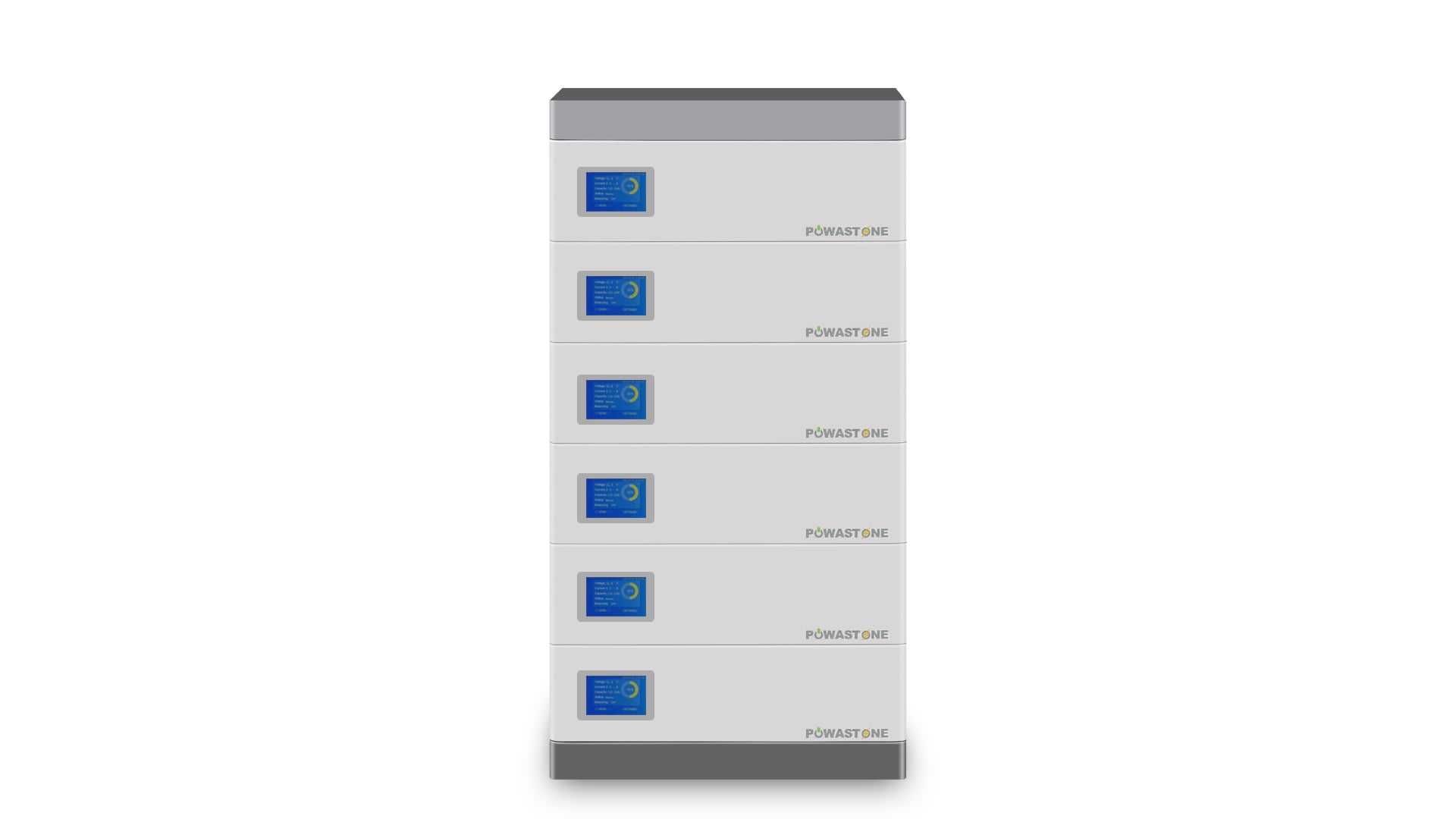
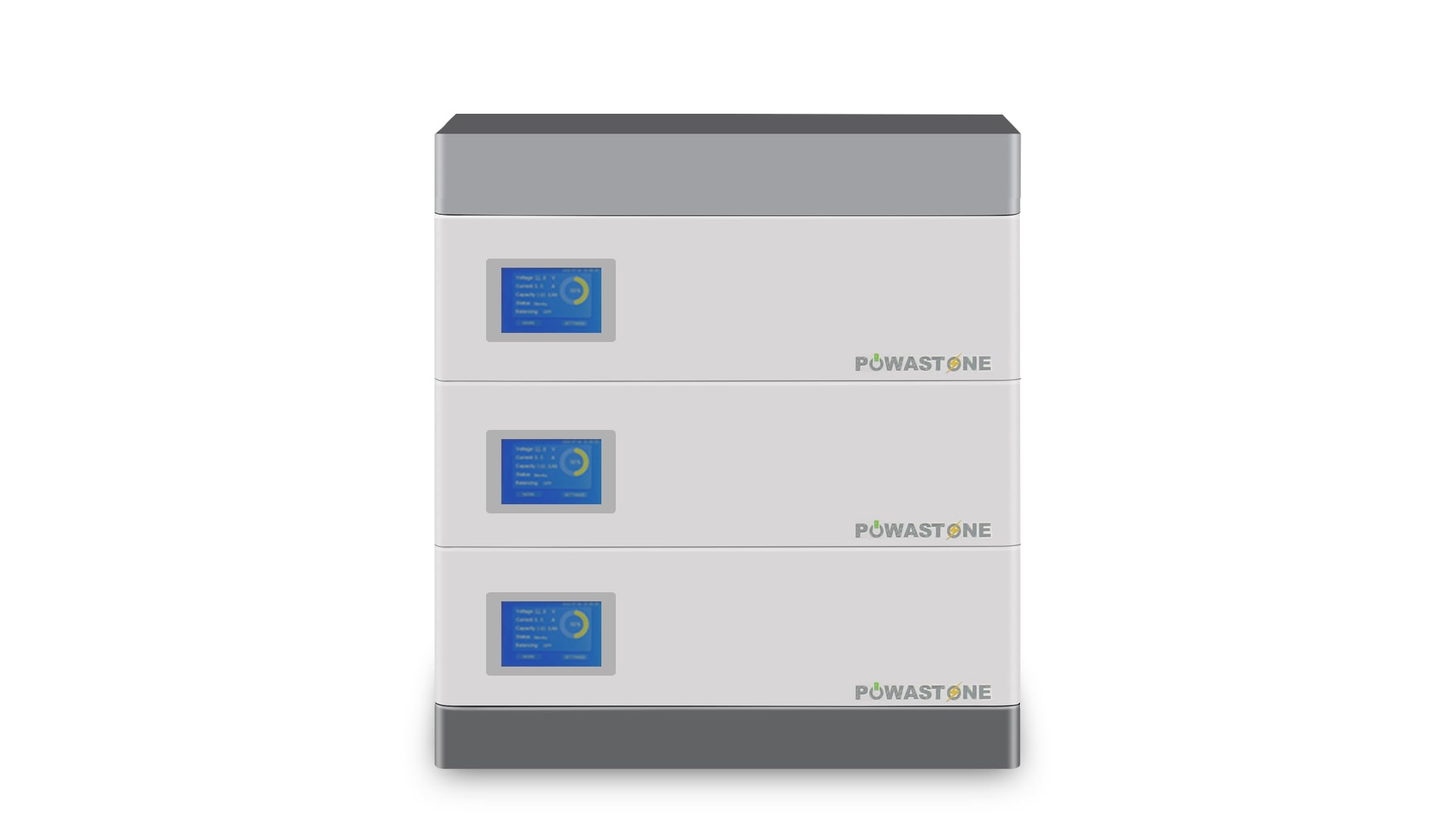
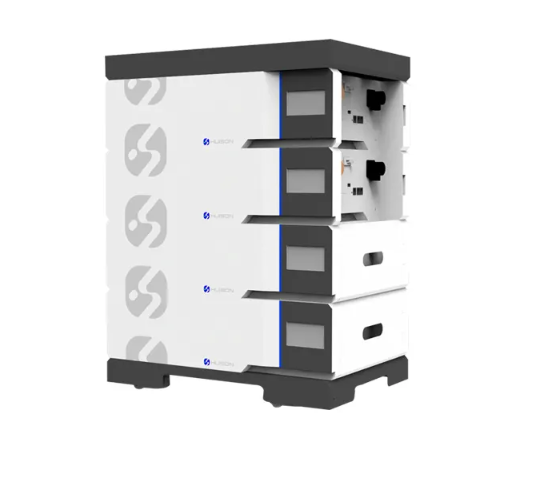
Homeowners can begin their energy storage journey with stackable battery systems that usually come in around 5 to maybe 10 kWh modules, then just keep adding more as their power needs grow over time. The beauty of these modular setups is they don't force people to guess what their electricity consumption will look like ten years down the road when installing something new. We all know solar panels produce way less power in winter months compared to summer sunshine days, yet families tend to use more electricity at exactly those times too, especially now that so many are getting electric cars or installing heat pump systems for heating. These stackable battery solutions fix that timing issue pretty well because most folks can simply stack additional units vertically right next to their existing setup without having to rip out everything from scratch. Traditional storage options often lead to problems since about a third of homeowners end up buying way bigger systems than they actually need according to various renewable energy studies, which means throwing good money after bad investments. With stackable designs though, there's much better alignment between what people pay for and what they actually consume day to day.
Avoid over-provisioning: Reduce upfront CAPEX and improve ROI through incremental stackable deployment
Most traditional battery setups need companies to buy way more capacity than they actually need right now just in case things grow later on. This means lots of money gets tied up in storage that sits idle for years. Stackable battery options change this equation completely. They typically bring down starting costs somewhere between 35 and 50 percent compared to buying one big system all at once. Plus businesses can time their purchases better. When demand starts rising or when prices drop enough to make sense financially, that's when owners actually install additional units. Real world tests from NREL show these approaches can knock anywhere from two to three years off the time it takes to recoup costs. Another big plus? Companies aren't stuck with old tech forever. As new battery models come out with better efficiency ratings, they can simply swap them in instead of being locked into outdated chemical compositions. Over the long run, this flexible approach tends to deliver around 20 percent greater returns because investments match what people are actually using rather than guessing at future needs.
Space-Saving Vertical Stacking and Residential Integration
Wall-mounted, stackable design maximizes energy density in garages, utility rooms, and tight urban spaces
Stackable wall mounted batteries pack a lot of power without taking up any floor space at all, making them great for small spaces like garage corners, utility areas, or those tight city apartments. When stacked vertically instead of sitting on the ground, these systems can save around two thirds of the space compared to regular floor models. That means homeowners keep their living areas open while still having plenty of room for growing energy needs. The real advantage comes when fitting into different home layouts where space is limited but looks still matter. Many people find they work surprisingly well even in older houses with tricky ceiling heights.
IP65-rated, fire-suppressed stackable enclosures deliver safety without sacrificing footprint efficiency
Stackable enclosures offer both IP65 weather protection and built-in fire suppression systems, which actually meet or beat residential safety requirements without making the unit any bigger than standard models. The protection system works on multiple levels too. There are flame retardant materials throughout, plus an automatic shutdown when faults occur, and special containment for thermal runaway situations. All these safety features work together to keep things running smoothly even under tough conditions. And despite all this extra protection, the units stay small enough to fit in tight spaces where most homeowners need them installed.
Improved Performance and Longevity via Stackable Module Management
Parallel power stacking enables higher continuous/discharge rates for EV charging and backup loads
When batteries are stacked in parallel, they combine their discharge capabilities across several modules which can boost surge power by around double compared to just having one battery setup. This makes it possible to handle multiple big power needs at once like charging electric vehicles with between 7 and 11 kilowatts while also providing backup for an entire house, all without causing any drop in voltage levels. The system has smart temperature controls too, so it keeps putting out steady 240 volts even when pushing maximum power. This means no need for power reduction measures and dependable operation exactly when it matters most during emergencies or other crucial situations.
Distributed depth of discharge across stackable units extends cycle life by up to 35% (NREL 2023)
Smart battery management systems work by spreading out how much each module discharges during operation. Instead of letting every single unit go all the way down to empty, these systems keep them at around 60 to 80 percent usage maximum. According to research published last year by the National Renewable Energy Laboratory, this approach actually cuts down on stress for lithium cells and makes the whole battery system last about 35 percent longer compared to regular setups without stacking capabilities. The load balancing feature focuses on those parts of the battery that aren't getting used as much while giving other sections a rest period. This kind of smart scheduling basically doubles the overall lifetime before significant wear sets in. Most importantly, batteries equipped with such intelligent management can provide reliable performance for well over a decade with hardly any loss in storage capacity along the way.
Seamless Smart Integration with Solar Inverters and Grid Services
Auto-detecting BMS and plug-and-play compatibility with leading stackable-ready inverters (Deye, Sungrow, GoodWe)
Today's stackable battery systems come equipped with built-in BMS technology that automatically detects when new units are connected. This makes expansion really straightforward with compatible inverters from companies like Deye, Sungrow, and GoodWe. There's absolutely no need for complicated setup procedures or calling in technicians. Just plug in the extra capacity and within minutes everything works together as one unit. These systems also talk to each other using sophisticated protocols, allowing them to participate in important grid functions such as maintaining stable electricity frequency and responding to peak demand periods. At the same time, they optimize how much energy gets stored versus used, which can actually increase how much solar power homeowners consume themselves by around 23%. The smart brains behind these systems keep all the voltages aligned properly even when someone is charging an electric vehicle at the same time the house needs backup power. This kind of intelligent coordination cuts down on expensive maintenance work by approximately 30% over time and makes sure the whole system stays adaptable for years ahead.
FAQs
What is a stackable battery system?
A stackable battery system consists of modular battery units that can be added to as power needs grow, allowing homeowners or businesses to increase storage capacity without over-provisioning initial investments.
How do stackable batteries improve ROI?
By reducing upfront capital expenditure and allowing for incremental deployment, stackable batteries can improve return on investment by aligning the cost with actual energy use and enabling timely upgrades.
Are stackable batteries safe for residential use?
Yes, they often come with IP65-rated weather protection and built-in fire suppression systems that meet or exceed residential safety requirements.
Can stackable battery systems be integrated with existing solar and grid systems?
Yes, these systems are designed for easy integration with solar inverters and grid services, with features like auto-detecting BMS and plug-and-play compatibility.
What are the benefits of parallel power stacking?
Parallel power stacking enables higher continuous and discharge rates, making it possible to support multiple high-power applications such as EV charging and backup loads without voltage drops.