EN
EN



Understanding Low Voltage vs. High Voltage: Core Electrical Differences
Ohm’s Law in Practice: How Voltage Level Affects Current, Heat, and System Losses
The basic relationship described by Ohm's Law (V equals I times R) explains how voltage levels really determine what happens in electrical systems. When looking at power requirements (which is just voltage multiplied by current), we see something interesting: if voltage goes up, current comes down in direct proportion. Double the voltage and current gets cut in half. Now here's where things get fascinating for anyone working with electrical systems. Since power lost through resistance depends on current squared (I squared R), cutting current has a massive impact on wasted energy. In fact, when voltage doubles, energy losses drop by around three quarters. This is exactly why utilities rely on high voltage lines for transmitting electricity across long distances, and why homes are wired with higher voltages too. On the flip side, lower voltage setups make sense for smaller devices because they're safer to handle, easier to work with, and play nicely with other components in compact spaces.
Typical Residential Ranges: Why 48V Defines Low Voltage and 150–600V+ Signals High Voltage
Most electrical standards consider anything under 50 volts AC or 120 volts DC as low voltage, since at these levels the danger from electric shocks or dangerous arcs drops significantly. When it comes to home energy storage systems, many manufacturers have settled on 48 volts as their go-to low voltage option. This works well because it keeps things safe enough for residential use while still being efficient for lithium iron phosphate batteries arranged in those typical 13 to 16 cell packs. Plus, it plays nicely with older solar charging equipment and smaller inverters that people already have installed. High voltage territory starts around 150 volts AC according to the National Electrical Code, but we're seeing most modern home battery systems operate between 200 and 600 volts DC these days. Why? Because this matches up with what grid connected inverters, heat pump systems, and electric vehicle chargers need to work properly. No need for extra conversions means less wasted energy. Systems built around 400 volts or more can handle bigger power loads and scale better over time, which explains why they're becoming so popular among homeowners wanting to completely switch to electric everything and achieve that net zero energy goal.
Low Voltage Home Batteries: Benefits, Limitations, and Ideal Applications
Safety and Simplicity: Easier NEC Compliance, Lower Arc Flash Risk, and Plug-and-Play Integration
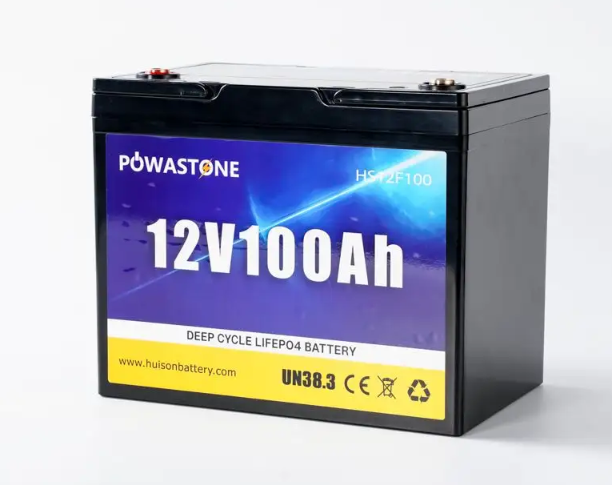
Batteries operating at low voltages (48 volts or below) generally carry much fewer risks when it comes to electrocution and those dangerous arc flashes we all hear about. These systems typically stay inside what OSHA and NFPA 70E call their "limited approach boundary" guidelines, making them safer for people who aren't trained electrical workers. From a regulatory standpoint, this makes following the National Electrical Code easier work, particularly under Article 706 which deals specifically with energy storage systems. The lower fault currents mean simpler setups for overcurrent protection and grounding requirements too. Most installations work pretty much out of the box these days. A lot of these battery units just connect right into standard 12V, 24V, or 48V solar charge controllers and microinverters without needing an electrician in most places. And let's face it, this ease of installation means real money savings. Soft costs like permits, labor expenses, and getting everything commissioned end up around 25 to 30 percent cheaper than what we see with higher voltage options.
When Low Voltage Excels: Small-Scale Solar Retrofits, RVs, and Off-Grid Cabins
These systems work really well in situations where power is limited: small retrofits that add less than 5 kWh storage to older 12V or 24V solar setups; mobile applications such as recreational vehicles and boats; plus remote cabins that depend mainly on LED lights, basic refrigeration, and communication equipment. The modular design means people can expand their system gradually, just adding a single 2.5 kWh module whenever needed, all without having to rewire anything or replace inverters. What makes these systems so appealing is how they sidestep expensive upgrades to electrical panels, circuit breakers, or entire wiring systems that come with higher voltage installations. For folks working within tight budgets or dealing with strict building codes, this approach often makes much more sense than going for something bigger and more complicated from the start.
High Voltage Home Batteries: Performance Gains, Compatibility Needs, and Growing Use Cases
Efficiency at Scale: Reduced I²R Losses and Smaller Cabling for Whole-Home Electrification
Using high voltage batteries (around 200 to 600 volts) makes a big difference in cutting those pesky I squared R losses, which matters a lot for home systems where wires run long distances between the battery, inverter, and main electrical panel. Take this example: getting 10 kilowatts out of a 48 volt system needs roughly 208 amps, but doing the same job at 400 volts only takes about 25 amps. That means resistive losses drop by more than 95% when everything else stays the same. The improved efficiency helps keep more energy available during extended power outages and puts less heat stress on all those connections and busbars. Plus there's another benefit we often overlook. Going from 48 volts to 400 volts usually lets installers switch from heavy duty 2/0 AWG copper wire to much thinner 6 AWG copper instead. This cuts down on copper volume by about 60%, saving money on materials and labor costs too, all while staying within safe operating parameters and meeting voltage drop requirements.
HV Integration: Seamless Pairing with Modern Inverters, Heat Pumps, and EV Chargers
The latest residential energy systems are designed around high voltage DC architecture these days. Take a look at grid tied inverters such as the Tesla Powerwall 3, Generac PWRcell, or Enphase IQ Battery 5P. These work well with cold climate heat pumps and Level 2 EV chargers since they naturally handle 200 to 600 volts DC input. When high voltage batteries plug right into the system, there's no need for those inefficient DC to DC conversion steps that typically waste somewhere between 3 and 5 percent of energy during charging and discharging cycles. What this means in practice is homeowners can run multiple big power devices at once without issues. Imagine operating an 8 kW heat pump alongside an 11 kW electric vehicle charger plus a 3 kW HVAC compressor all at the same time without worrying about tripping circuit breakers or causing inverters to reduce their output. As more households replace traditional fossil fuel based heating systems and gas powered cars with electric alternatives, having high voltage storage becomes increasingly important. It delivers the necessary power capacity, quick response times, and works seamlessly across different equipment types to handle those moments when energy demand spikes. Plus, investing in these systems now makes sense for anyone wanting to prepare their home for a future where zero carbon emissions become standard practice.
Making the Right Choice: A Practical Decision Framework for Homeowners
Selecting between low- and high-voltage home batteries hinges on three interlocking factors: load profile, infrastructure readiness, and long-term electrification goals.
Looking at energy usage patterns, homes that average less than 20 kWh per day usually work better with low voltage systems. These are typically houses without heat pumps or electric vehicles. They get advantages like simpler installation, cheaper initial costs, and enough power for basic needs most days. On the flip side, bigger homes using over 30 kWh daily, especially those with several appliances drawing lots of power, tend to see real benefits from going high voltage. According to research from NREL back in 2023, high voltage setups cut down on those pesky I squared R losses during peak times by about 8% when compared to their low voltage counterparts across actual home installations. Makes sense when thinking about long term savings versus what might seem like extra spending upfront.
Infrastructure readiness: Retrofitting into older homes with undersized panels, aluminum wiring, or limited breaker space favors low-voltage solutions that avoid service upgrades. New construction or recent panel replacements, however, provide the ideal foundation for high-voltage integration—supporting larger capacities and future expansions without rework.
Long-term goals: Prioritize low voltage for off-grid resilience or incremental solar upgrades. Choose high voltage if planning to add a heat pump, EV charger, or second battery within 3–5 years—or if aiming for full grid independence and smart energy management across appliances.
Balance these against your budget: low-voltage systems offer faster payback in small-scale applications, while high-voltage investments deliver superior lifetime value in electrified, high-demand homes—especially as utility rates rise and outage frequency increases.
FAQ
What is the difference between low voltage and high voltage systems?
Low voltage systems, typically under 50 volts AC or 120 volts DC, are safer and easier to handle, ideal for small devices and residential setups. High voltage systems, from 200 to 600 volts DC, are used to handle larger power loads and are more efficient for whole-home applications.
Why do utilities use high voltage lines for electricity transmission?
Utilities use high voltage lines because they reduce energy losses significantly during transmission. According to Ohm's Law and the concept of power lost through resistance, higher voltage reduces current which in turn minimizes energy wasted as heat.
What are the benefits of low voltage home batteries?
Low voltage home batteries are safer and simpler to install, often requiring less regulatory adherence and lower installation costs. They excel in smaller applications such as RVs, off-grid cabins, and small solar retrofits.
How can high voltage batteries benefit home systems?
High voltage batteries offer reduced resistive losses, smaller cabling, and improved efficiency for whole-home electrification. They are compatible with modern inverters, heat pumps, and EV chargers, allowing multiple high power devices to operate simultaneously.
How should homeowners decide between low and high voltage home batteries?
Homeowners should consider load profile, infrastructure readiness, and long-term electrification goals to determine the best battery choice. Smaller applications or those with simpler requirements may favor low voltage, while high-demand homes benefit from high voltage systems.
Table of Contents
- Understanding Low Voltage vs. High Voltage: Core Electrical Differences
- Low Voltage Home Batteries: Benefits, Limitations, and Ideal Applications
- High Voltage Home Batteries: Performance Gains, Compatibility Needs, and Growing Use Cases
- Making the Right Choice: A Practical Decision Framework for Homeowners